



- Simply disclosing plagiarism on your bar application is not enough. Bar committees want to see demonstrable credibility and growth to support your fitness for practice.
- Timing and consistency play critical roles in establishing your integrity.
- Don’t risk undermining your own case. Working with an experienced attorney like David A. Lewis ensures you frame your disclosures clearly, strategically, and persuasively.
We’ve been taught since childhood that honesty is the best policy, and candor certainly plays a critical role in navigating the complex character and fitness portion of your bar admission process. But is simply disclosing misconduct like plagiarism on your bar application enough to signal your fitness for practice?
No, it’s not.
In the eyes of the committee reviewing your character and fitness submissions, past plagiarism calls your integrity, your credibility, and your judgment into question. It’s not just a misstep to admit and dismiss as a minor lapse.
That’s why it is crucial to pair honesty with strategy when it comes to addressing academic misconduct on your bar admission application. Before you submit, get objective professional guidance to ensure your disclosure builds credibility—not doubt.
The Problem of Plagiarism
Whether it was on a research paper, an exam, a law school admission essay, or another writing project, when you made the decision to plagiarize, your motive likely wasn’t open defiance. Maybe you were staring down a deadline or juggling too many obligations, so you panicked and caved into the pressure you felt.
You certainly didn’t consider how seriously that choice could harm your chances of admission to the bar. But misjudging the stakes, even once, now puts you in the position of having to explain why your plagiarism doesn’t accurately reflect your fitness to practice law.
What the Character & Fitness Committee Sees
For the committee reviewing your bar application, plagiarism functions as a credibility test that significantly impacts your chances of bar admission.
- It is a demonstration of how your integrity holds up when no one is watching.
- It raises questions about your willingness to cut corners at any cost when the stakes are high.
- It calls into question other aspects of your character and decision-making abilities.
Timing & Consistency
If you committed plagiarism in your academic or professional career, it must be disclosed in the character and fitness portion of your bar application; an omission can amount to a Rule 8.1 false statements violation. But the timing and consistency of your disclosure are just as important as admitting your actions.
Timing
Plagiarism is never behind you. Regardless of how many times you have documented your misstep in the past—on job applications, during the law school admission process, on previous bar applications—you must detail it again during this bar admission process.
Consistency
Unfortunately, the more often you discuss your plagiarism, the more likely you are to create inconsistencies. Yet even small discrepancies in your explanation can become big red flags to committee members examining both your previous and current disclosures.
For instance, if you detailed academic misconduct during your law school admissions disclosure process, your bar application must align with that record in every detail. Having an experienced ethics attorney review your submission ensures you are working to give yourself the best possible chance for success.
It Takes More Than Honesty and Consistency
Merely admitting to plagiarism and ensuring consistency in your documentation isn’t enough.
When reviewing your plagiarism disclosure, the committee also wants to see clear proof of growth and evidence of change.
Failing to effectively address your evolution in judgment and integrity can easily derail an otherwise strong bar application.
Not Just Boxes To Check
Don’t make the mistake of thinking that you can get through the character and fitness section with a checklist approach to your past plagiarism. It is not as easy as saying:
- I did it.
- I learned from it.
- I’ve changed.
Before you begin drafting your disclosure, consult with a skilled bar admissions attorney to ensure you thoroughly demonstrate clear and credible proof of your fitness.
The Three Proofs
To satisfy the character & fitness committee, you must provide convincing proof that the plagiarism you are disclosing on your bar application represents genuine accountability and growth.
Clear Insight
First, you need to demonstrate clear insight into what you did and why it was wrong. A bar admissions attorney can help you frame this in the most compelling manner and steer you clear of common missteps.
Durable Change
Then, whether it’s plagiarism or another example of academic misconduct, the bar admission committee wants to see the durable change you have undergone after the incident. What did you learn from the experience and resulting disciplinary action? How has it altered your behavior and your viewpoint on trust, honesty, and integrity?
Again, an ethics attorney can help you articulate this transformation clearly and credibly.
Validation
Finally, when you address plagiarism on your bar application, you need to provide evidence that you have truly grown from the experience. It may be the case that including letters describing your credibility or documented examples of handling trust-based responsibilities provides tangible, third-party validation of your growth.
A legal ethics attorney will guide you in presenting the proof that will most strongly support your case for rehabilitation.
Why You Need A Skilled Ethics Attorney in Your Corner
As with any background concern, addressing academic misconduct during your bar admission process is much more about HOW you deal with it than what you did. And although that may sound simple, it can be challenging to step back from your deeply personal situation to take an objective, clear-headed approach.
Many applicants recognize that there is just too much on the line to take this on alone.
Through decades of experience, attorney David A. Lewis has honed effective strategies to successfully navigate the bar’s character and fitness requirements in the face of past plagiarism and other ethical misconduct.
David doesn’t follow a template or take a cookie-cutter approach to addressing plagiarism on your bar application. He will speak with you to conduct a detailed review of your situation, outline a strategic plan for dealing with your academic misconduct during the bar admission process, and offer insights to work to successfully guide you as you take your next steps.
Contact David A. Lewis Today
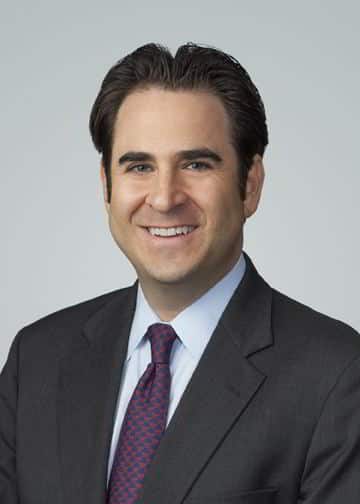
One call can relieve the anxiety of managing your bar application on your own. Past plagiarism, legal or financial issues, and other bar admission red flags do not have to define your future. With David’s help, you can turn a difficult chapter in your life into a compelling demonstration of your integrity and readiness to practice law.